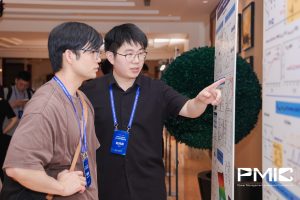
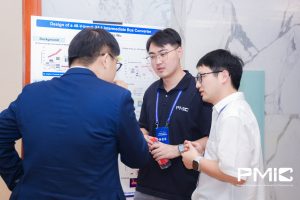
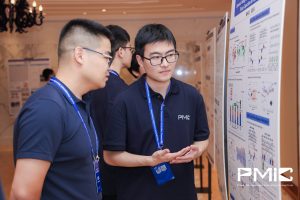
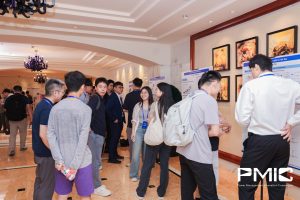
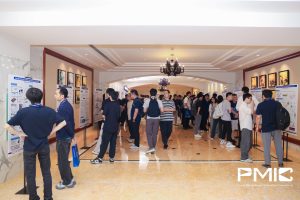
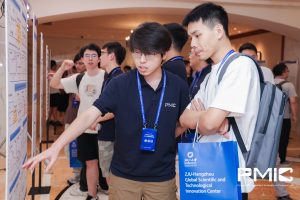
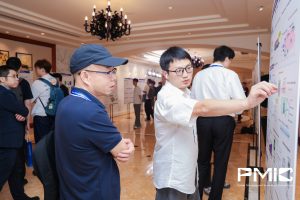
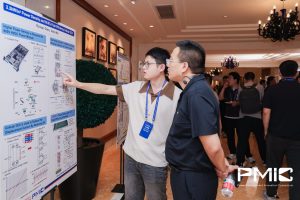
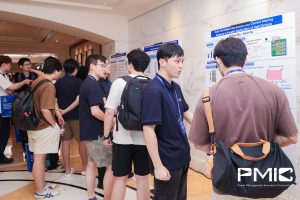
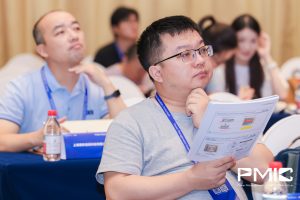
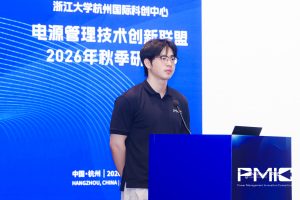
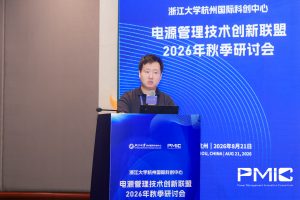
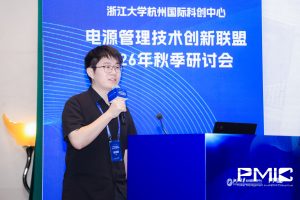
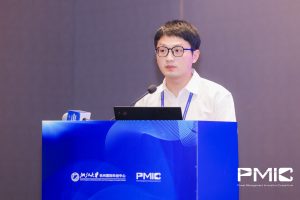
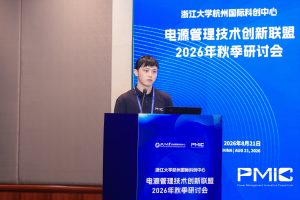
On August 21, 2026, the Power Management Innovation Consortium (PMIC) of the Hangzhou International Science and Technology Innovation Center, Zhejiang University, held its 2026 Autumn Technical Symposium in Hangzhou. Centering on the core theme of “AI Compute Power Supply Challenges,” the symposium focused on future development trends in the field of power management, prioritized breakthroughs in common technical challenges facing the industry, and reported the latest progress of multiple ongoing consortium research projects, including high-power-density DCX converters.
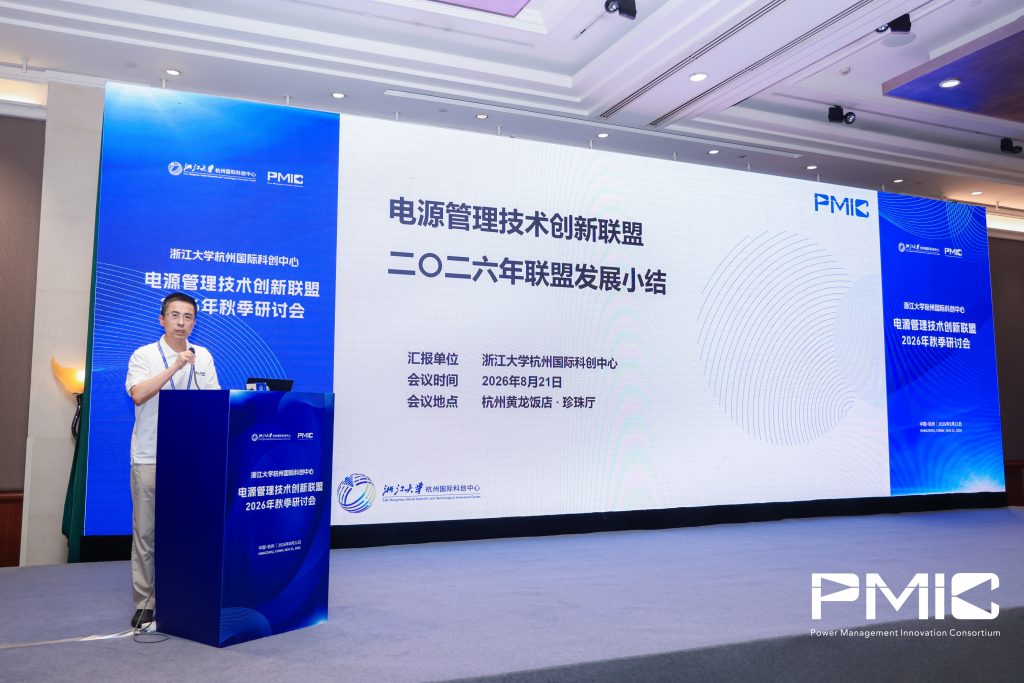
The symposium was co-chaired by Professor Zhang Junming, Associate Professor Shao Shuai, and Associate Research Fellow Yan Haidong of Zhejiang University. Experts, technical representatives, and graduate students from more than 40 member companies, universities, and research institutes attended the symposium.
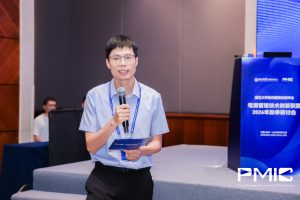
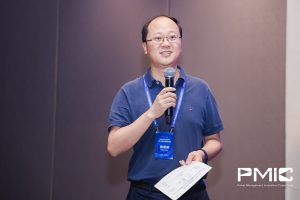
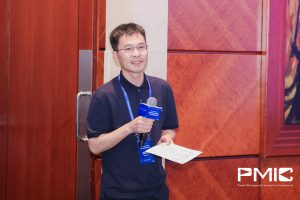
Third-Generation Semiconductor Devices: Unlimited Potential
At this symposium, Professor Zhang Yuhao of the University of Hong Kong and Associate Professor Ren Na of Zhejiang University were specially invited to give presentations.
Professor Zhang Yuhao presented an outlook on the application prospects of GaN power devices. “There is unlimited potential in both high-voltage and low-voltage applications,” he noted. His team’s research findings show that low-voltage gallium nitride (GaN) devices can handle extremely high current demands in VRM power supply for AI chips, driving a shift in power supply architecture from horizontal power delivery to vertical power delivery. High-voltage GaN devices demonstrate advantages in high frequency and miniaturization for eVTOL aircraft and joint electric drives in humanoid robots. In addition, monolithically integrated bidirectional GaN devices hold broad application prospects in server power supplies, photovoltaic inverters, and on-board chargers (OBCs) for vehicles.
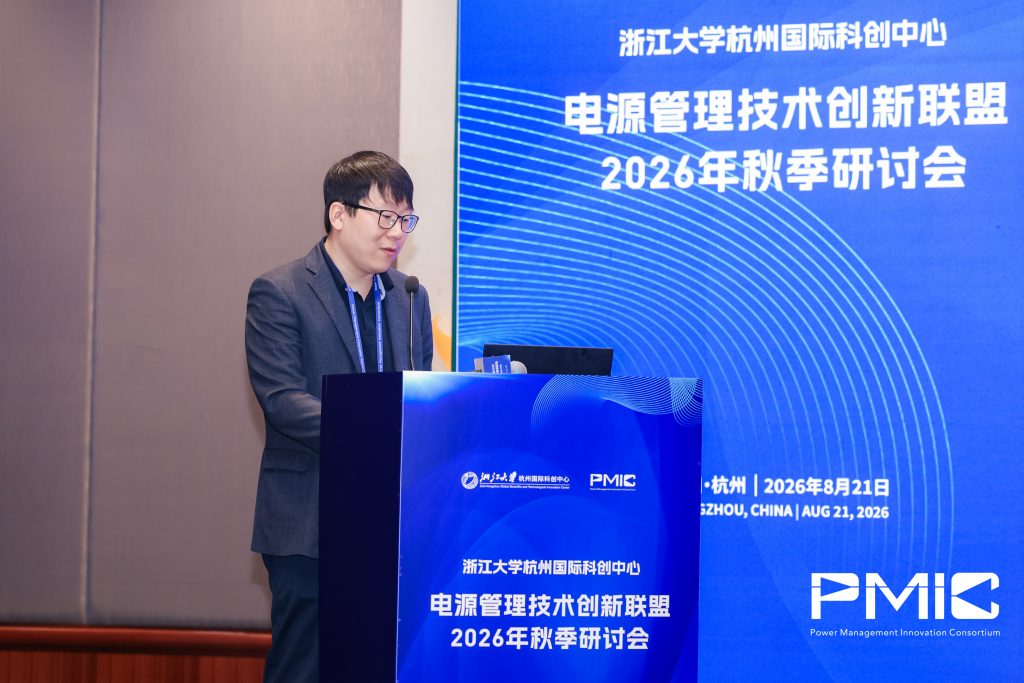
Associate Professor Ren Na provided a systematic review of the development trajectory ofhigh-voltage silicon carbide (SiC) devices. Her team has achieved a breakthrough in 10kV SiC MOSFET technology, with specific on-resistance approaching the one-dimensional theoretical limit. For high-voltage applications, the SiC superjunction structure can achieve lower drift region resistance. She also introduced the potential advantages of SiC devices in terms of low cost and radiation hardness, making them suitable for pulsed power and extreme aerospace environments.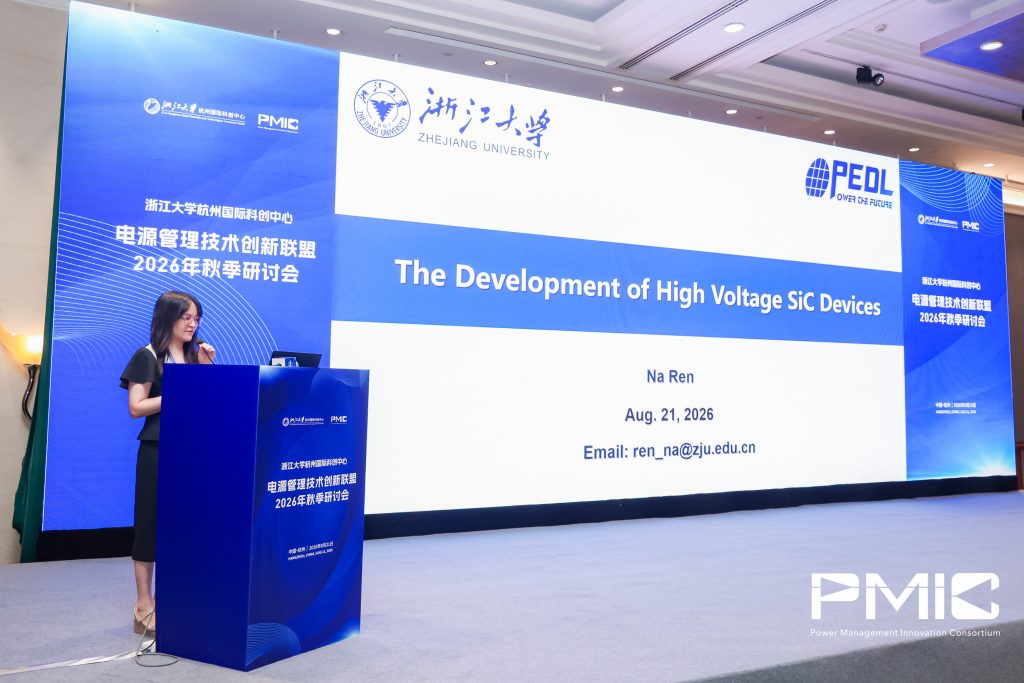
High-Density Conversion Technology: Multiple Solutions Directly Target AI Power Supply Pain Points
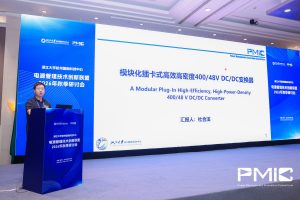
In response to the surge in power supply demands for AI servers, the consortium reported on research topics covering the entire rack power supply chain, including AIDC solid-state circuit breaker design, modular plug-in card-type high-efficiency high-density 400V-48V DC-DC converter design, megahertz DCX design for 48V bus, and 48V input converter design. The related technologies cover core power conversion nodes at all levels from the power distribution end to XPU power supply.
To address the problem of huge losses in traditional voltage-mode driving at 10MHz high frequency, the team proposed aresonant driving technology suitable for GaN, which reduces driving losses by more than 50% through energy recovery.
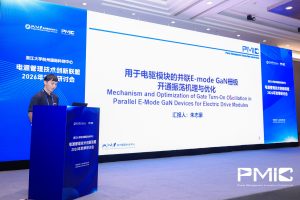
In terms of device characterization, the consortium reported on topics including dynamic resistance testing methods for bidirectional GaN devices for AC applications.
The presentations were excellent and the on-site discussions were lively, demonstrating the consortium team’s in-depth exploration and technical accumulation in exploring frontier common technical challenges.
Electrothermal Co-Simulation: Establishing a Unified Design Framework
Wang Chenxi, an engineer representing ANSYS, an ecosystem partner of the consortium, shared electrothermal co-simulation technology, emphasizing that traditional isolated simulation leads to excessive or insufficient design margins, and that a unified electrothermal design framework needs to be established. Theelectrothermal co-simulation solution provided by ANSYS can simultaneously consider the degradation of electrical performance under thermal environments and the impact of temperature rise on electrical performance, optimizing costs while ensuring reliability and avoiding over-design.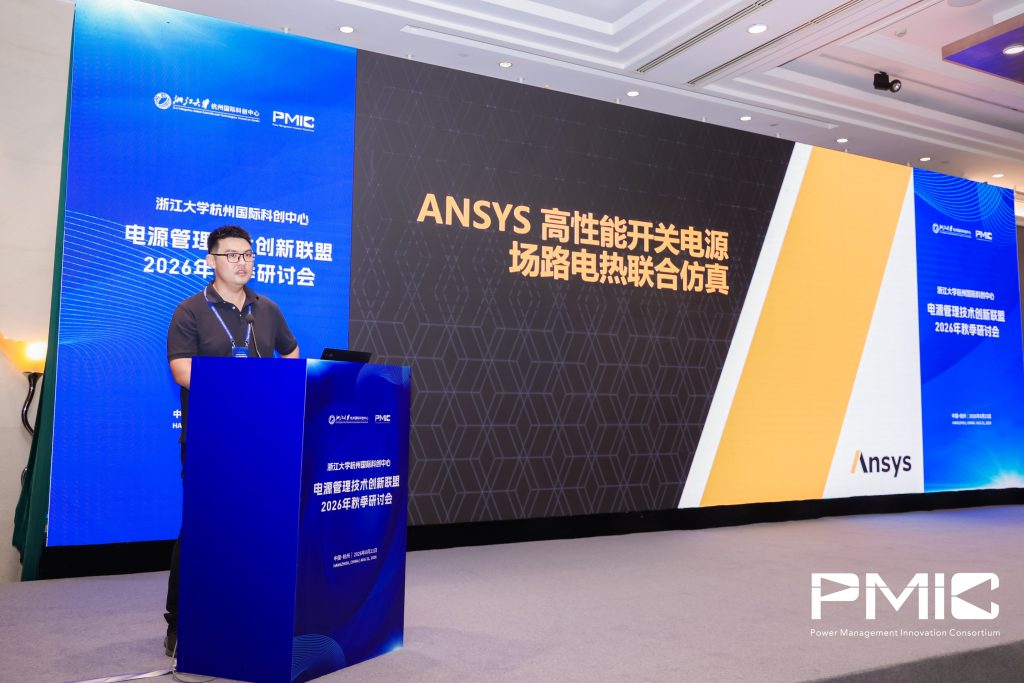
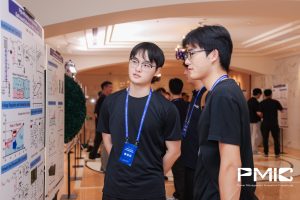
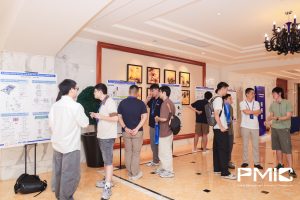
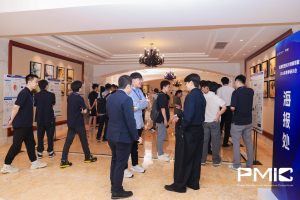
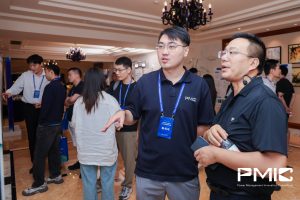
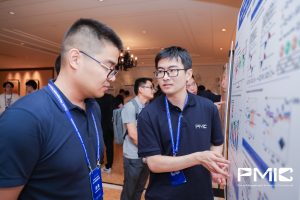
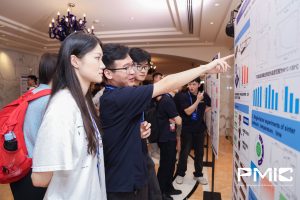
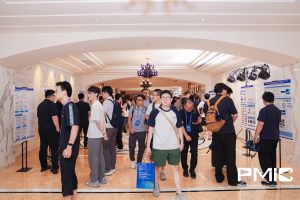
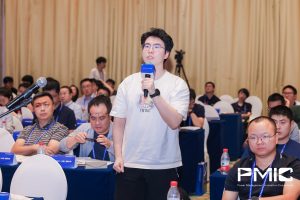
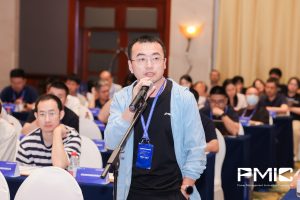
At the exchange session, representatives from participating companies and consortium faculty and students engaged in in-depth exchanges focusing on technical details, engineering implementation paths, and application scenarios. This direct industry-research communication approach not only helps the research team accurately capture frontline industry needs, but also provides companies with insights into the evolution of frontier technologies. The innovative ideas sparked by on-site discussions provided practical reference basis and cooperation opportunities for the consortium’s subsequent research projects and university-industry collaboration.
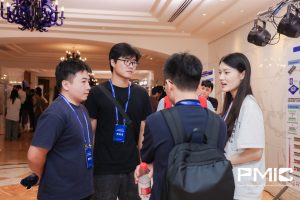
This symposium featured a special graduate exchange session, providing face-to-face communication opportunities for company representatives and outstanding graduating students. The consortium continues to supply the industry with high-quality talent possessing solid theoretical foundations and engineering practice capabilities, and has developed into an important talent incubation platform in the field of power management. Participating company representatives spoke highly of the professional qualities of the consortium’s graduates.